

.png)

December 16, 2025
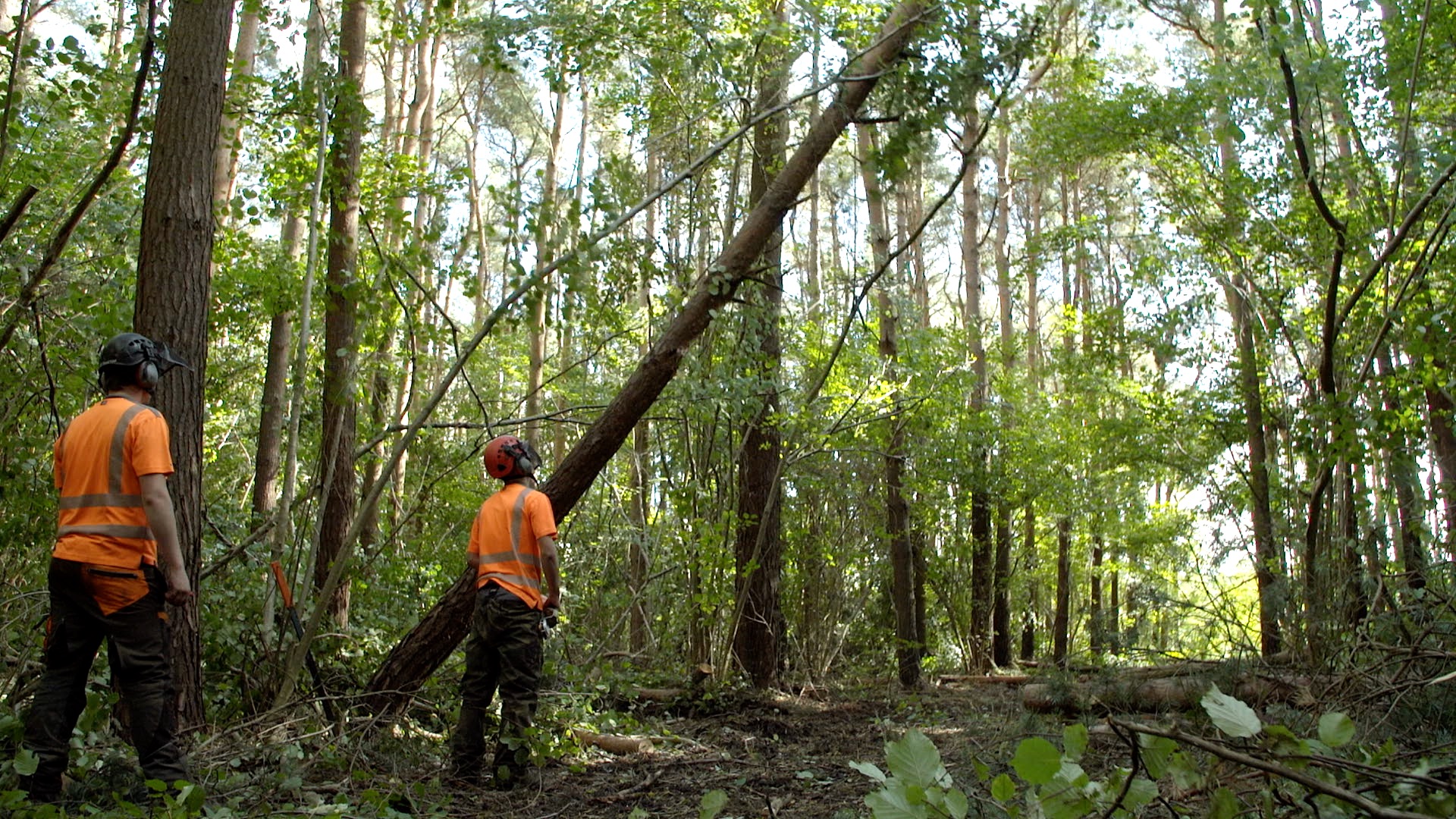
Non-native trees were planted up on mass at ancient woodland sites after the World Wars to replenish timber stocks, including in Sussex woodlands. Bob Epsom. Lost Woods Outreach Advisor, argues that these irreplaceable habitats must now be restored before it's too late. He explains how we can transform ancient woodlands with non-native trees through active restoration, and how a new campaign from Lost Woods project partner The Woodland Trust is calling on governments to bring these woods back from the brink.
We have lots of acronyms in the world of woodland management. A Plantation on Ancient Woodland Site is known as PAWS, whereas ASNW is the acronym for Ancient Semi-Natural Woodland. You might be thinking, what’s the difference, surely woods are woods no matter the classification or ‘label’?
The distinction between types of woodlands can actually be quite stark.
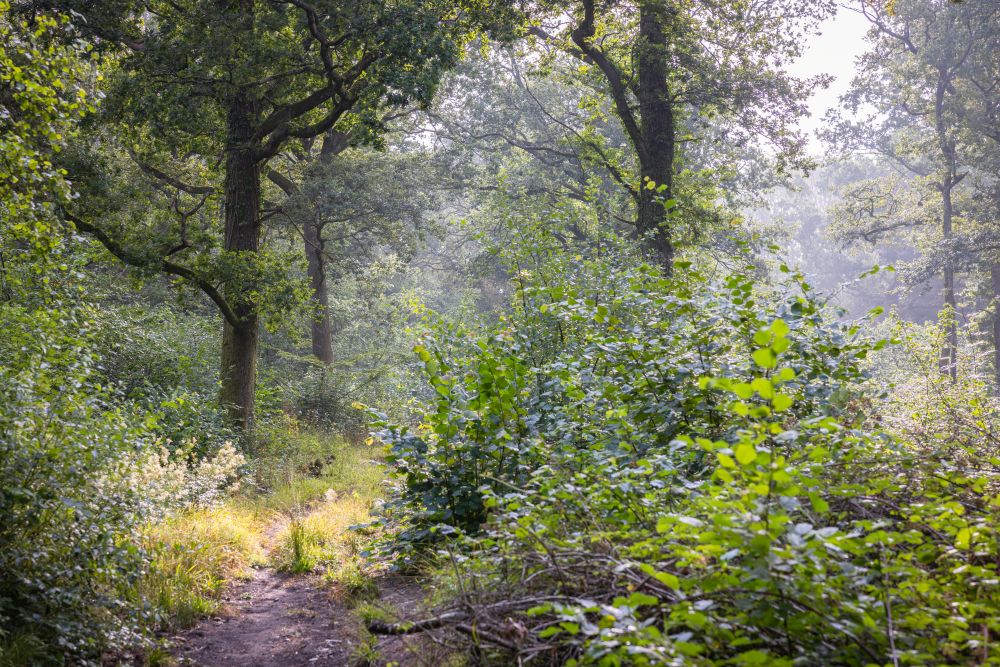
A well-managed Ancient Semi-Natural Woodland is what we aspire to for our ancient woods here in Sussex, and what we’re aiming to have more of locally through our restoration support.
We want healthy woodlands with a variety of native trees of differing ages, with sub-canopies, woodland flora, fungi, a thriving ‘wood wide web’, and deadwood that can offer a home to a broad range of species. Woods are classed as ‘ancient’ if they’ve been in existence since 1600.
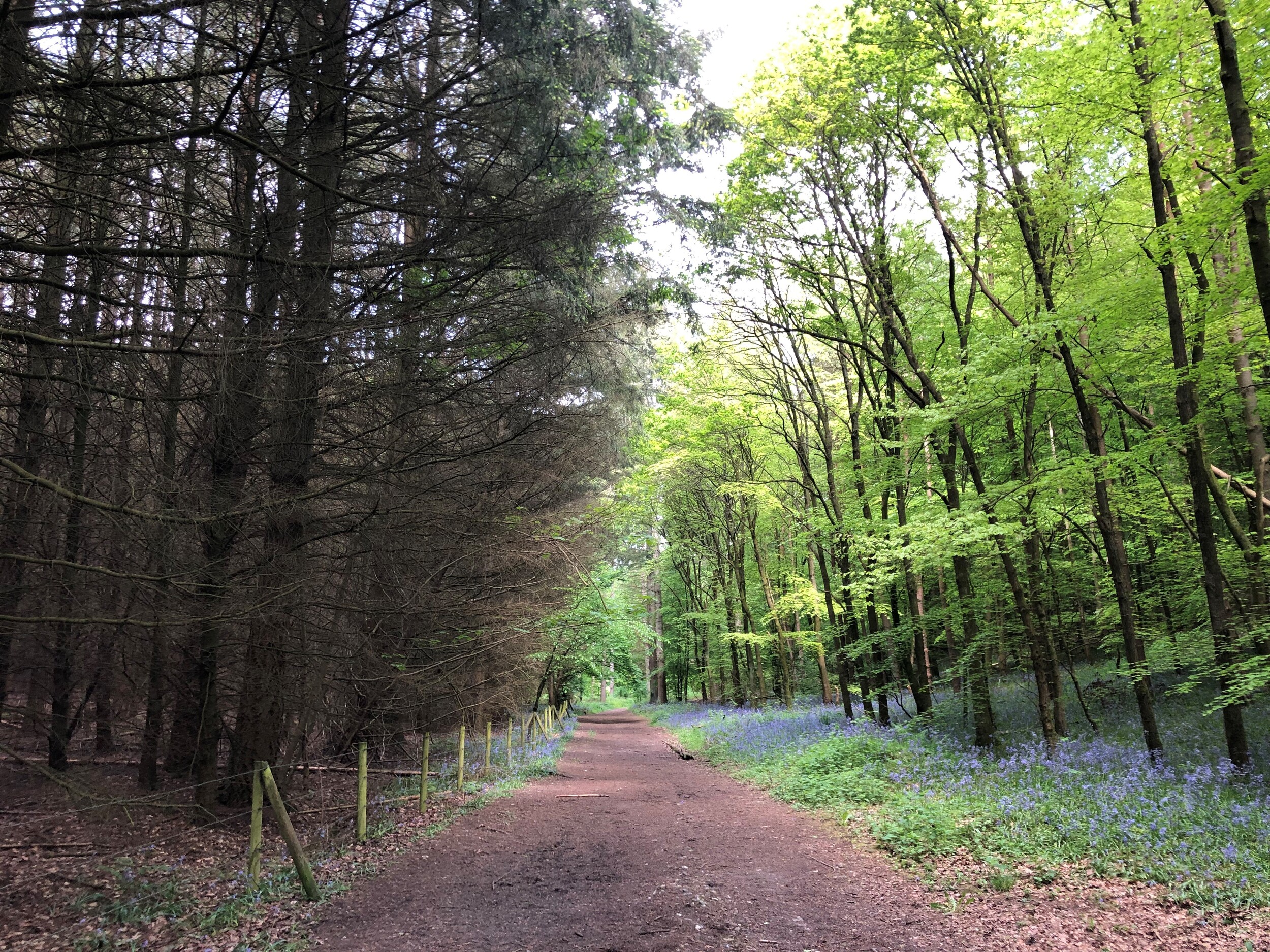
On the other hand, plantation woodland on ancient woodland sites (PAWS) are mostly monocultures of fast-growing trees that man has planted on to previously wooded sites. Many plantation woodlands were created after the World Wars, when the government was keen to restock woodlands after so many trees were felled for the war effort.
These woodlands can have very little biodiversity, especially if these are densely packed with conifers. Some sites have very little light reaching the woodland floor at all. This shading means there is far less native flora – like bluebells for example - little under-canopy, and very few native wildlife species that can live here. The difference in woodland biodiversity just goes to show how important the structure of a woodland is, not just the number of trees it contains. The more diverse the canopy structure, the more species it attracts.
The state of plantation woodlands in the Low Weald and South Downs
Just 6% of woodlands in the Lost Woods of the Low Weald and South Downs project area are classified as plantation woods, however there are plenty of ancient woodland sites that still contain significant numbers of non-native conifers, which could be restored.
Post-war in the South Downs, many woodlands were planted with Western Red Cedar, Western Hemlock, Pine, Douglas Fir, and Spruce trees. The greatest concentration of plantation woodlands in the Low Weald surround Haywards Heath.
We know that plantation woods still retain the complex soils and seedbanks of ancient woodlands, and that through careful management, they can recover. However, if PAWS woodlands are restocked with more non-native trees instead of being restored, the restoration process will become much harder, if not impossible. This is because of the damage that the restocking process will do to the vital remnant features of the ancient woodland ecosystem that remain.
Our support to restore woodlands
Thanks to The National Lottery Heritage Fund, we’re able to offer support to landowners to restore ancient woodlands and plantation woodlands.
For landowners of ASNW sites who would like help in removing conifers, there is funding available through the Forestry Commission to thin these trees, and the best way to access this is to get an Ancient Woodland Management Plan. If your woods in based within the Lost Woods project area, then we may be able to provide a free ancient woodland survey and management plan.
The future of the forgotten forests
There is no quick-fix for recovering plantation on ancient woodland sites. It’s very long process, taking decades. However the biodiversity benefits are worth fighting for.
This is why our project partner The Woodland Trust has set up a national Rescue Our Forgotten Forests campaign, urging people to call on the government to implement action plans, funding, and legislation that will enable these woodlands to recover through careful management.
Get support
To find out more about our restoration support and to get involved in the Lost Woods project, contact us via our form, or email lostwoods@woodlandtrust.org.uk.
Stay up to date with project news, subscribe to the Lost Woods e-newsletter
.jpg)
.jpg)
.jpg)
.jpg)