

.png)

February 20, 2026
The Lost Woods project have been working with one of our ‘Wildlife Champions’, Ben Benatt, to help a landowner with her request to learn more about the wildlife in her woodlands and downland at Sullington Manor Farm.
Ben visited the farm in November, with Michael Blencowe of the Lost Woods Team and discovered that it had some very interesting bryophytes (a.k.a. mosses and liverworts), as well as lichens and other wildlife. Theyrealised that this site would be a great location for a field meeting of the British Bryological Society, so we got to work organising a return visit.
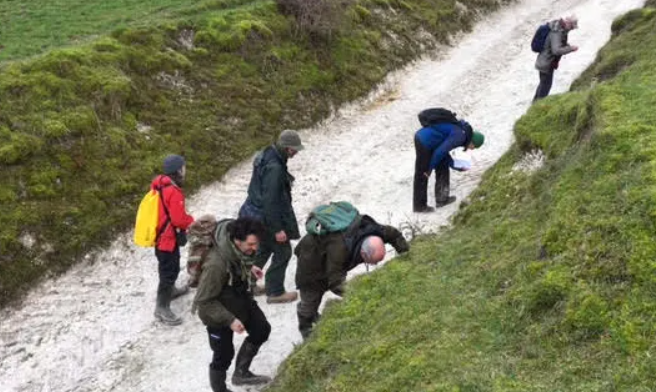
In January, a team of dedicated bryologists, hand lenses at the ready, assembled outside the beautiful Saxon church at Sullington.
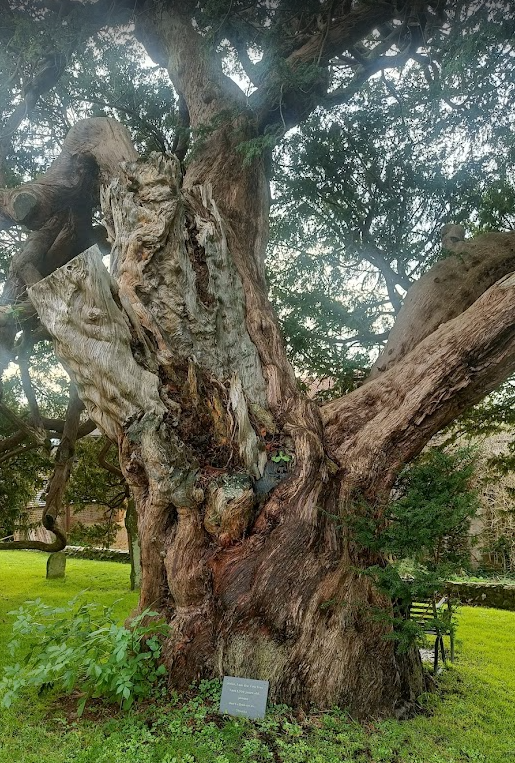
Ben reports: “The group started with a look round the churchyard with its wonderful Yew tree (reputedly 1300 years old!), quickly pulling together a respectable list, including the highly distinctive looking Prince of Wales Feathermoss, Neckera smithii, in at least three places. You are only likely to find this unusual moss after rain (as it desiccates very rapidly) and there’s been no shortage of that so far in 2026!”
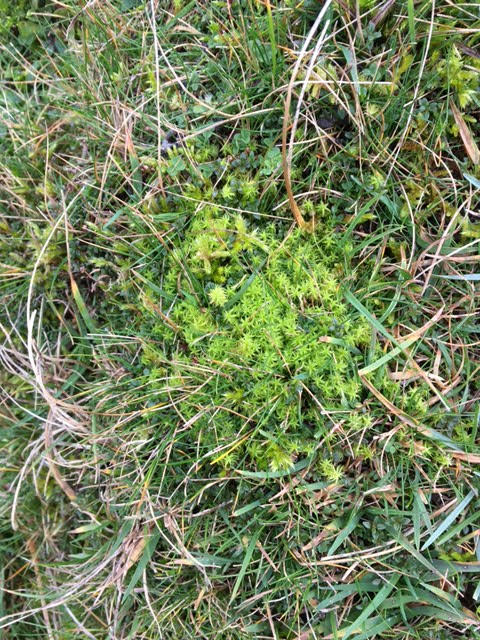
“Next the group progressed along the track up to Sullington Hill with its numerous old sentinel Ash trees, and arrived at the shaded holloway at the base of the scarp slope. Here they found a very impressive craggy old veteran Ash tree covered with wefts of Rambling Tail Moss, Anomodon viticulosus, several interesting lichens plus a tiny ‘lawn’ of Green Pocketmoss, Fissidens viridulus, in a dry overhang beneath a buttress root”.
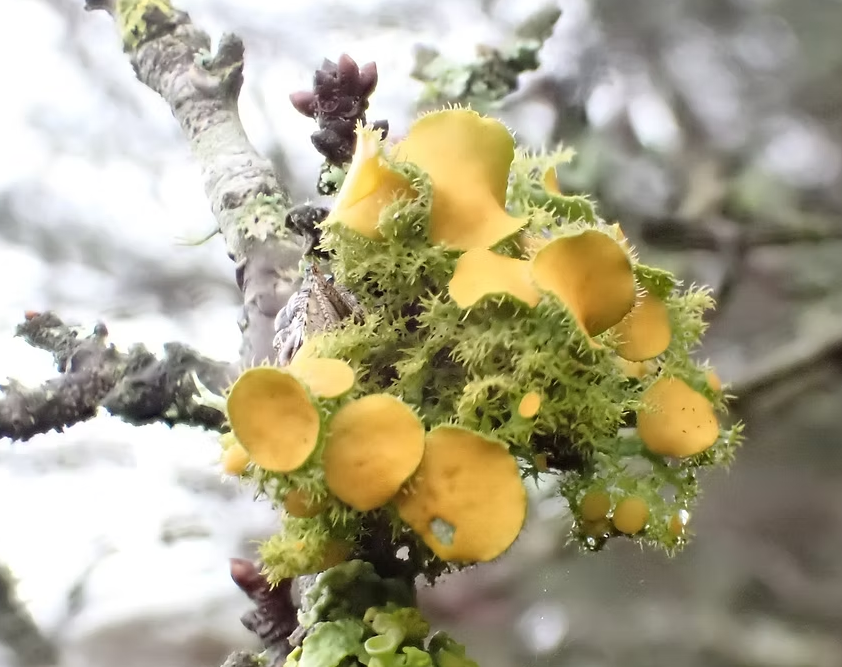
“After searching some of the large Hawthorn trees on the chalk slope the group struck gold and found the long-time extinct and now seemingly rather common Golden-eye Lichen, Teloschistes chrysopthalmus. Until very recently this lichen was extremely rare in Britain but over the past decade it has been turning up around southern England”.
“A number of rather nice chalk grassland bryophytes were identified too including some small patches of the golden star shaped shoots of the rather uncommon Side-fruited Crisp-moss Pleurochaete squarrosa”.
After we had enjoyed our picnic lunch, sheltering in a hollow and watching the dark grey clouds and pillars of rain falling all across the Weald to our north, our turn came for some rainfall, and we beat a fairly hasty retreat back to the church, buoyed up by our day of interesting finds in this beautiful place”.
In total 70 species of moss and liverwort were found on the survey – and check out some of these beautiful (and crazy!) names:
Bird's-claw beard-moss, Minute Pouncewort, Fallacious beard-moss, Montagne's Cylinder-moss, Yew-leaved pocket-moss, Grey-cushioned grimmia, Slender mouse-tail-moss, Kneiff's feathermoss, Turban-leaved flapwort, Bifid crestwort, Upright pottia, Crisped neckera, Endive pellia , Anomalous bristle-moss, Long-beaked thyme-moss, Juicy silk-moss, English rock-bristle, Small hairy screw-moss, Great hairy screw-moss, Bruch's pincushion, Narrow-leaved beardless-moss, Green-tufted stubble-moss, Green yoke-moss.
For more information on our county’s amazing bryophytes and to join future surveys check out the Sussex Bryophytes website.
Stay up to date with project news, subscribe to the Lost Woods e-newsletter
.jpg)
.jpg)
.jpg)
.jpg)